




By WorldMajorEvents | February 4, 2026
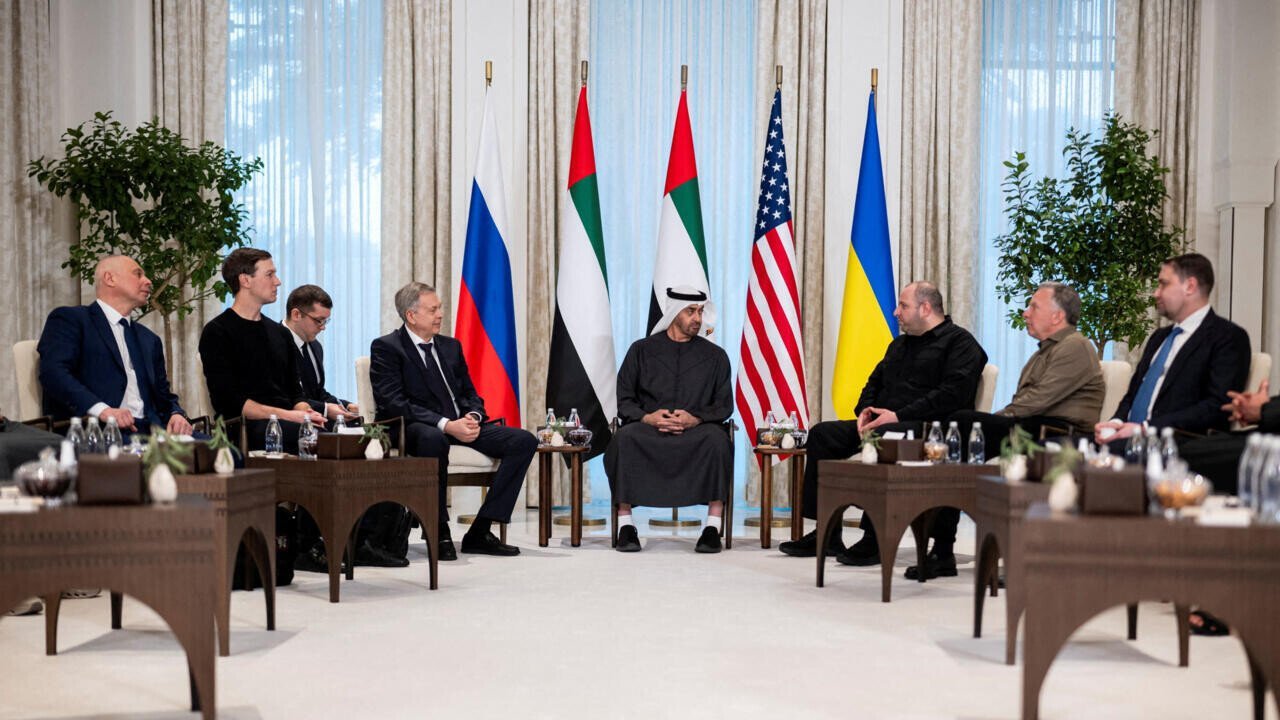
As Ukrainian, Russian and American negotiators gather in Abu Dhabi for the second round of US-brokered peace talks, cautious diplomacy is unfolding under the shadow of continued battlefield violence. The meetings mark the most sustained attempt yet to de-escalate the nearly four-year-long war that has reshaped European security, strained the global economy and hardened geopolitical blocs.
Yet, despite the symbolism of trilateral negotiations and the UAE’s growing role as a diplomatic bridge, expectations remain fragile. Moscow insists the war will continue until Kyiv accepts Russian terms, while Ukraine maintains that only a “dignified and lasting peace” can justify compromise.
So how close is peace — really?
Why Abu Dhabi Matters in Global Diplomacy
The choice of Abu Dhabi as host is no coincidence. The United Arab Emirates has quietly emerged as a neutral diplomatic hub, maintaining working relationships with Washington, Moscow and Kyiv while avoiding public alignment with any side.
Senior Emirati diplomats, including those aligned with the country’s broader mediation strategy, have positioned the UAE as a trusted facilitator at a time when traditional European venues are politically loaded. For Washington, Abu Dhabi offers discretion. For Moscow, neutrality. For Kyiv, continued Western involvement without symbolic concessions.
This balance is precisely why the talks are happening here — and not in Geneva, Brussels or Vienna.
What Is on the Table at the Peace Talks?
Russia’s Position: Terms First, Peace Later
Russian officials have made their stance clear ahead of negotiations:
- Ukraine must recognise territorial realities, including Russian control over occupied regions
- Kyiv must abandon NATO aspirations
- Western military support to Ukraine must be curtailed
- Sanctions relief must be part of any settlement
The Kremlin has repeatedly stated that military operations will continue unless these conditions are met — a position reinforced by fresh Russian strikes launched just days before the talks began.
Ukraine’s Red Lines: Sovereignty and Security
President Volodymyr Zelenskiy has adopted a firm but pragmatic tone. Ukraine is open to phased diplomacy, including ceasefire discussions, but insists on:
- Preservation of Ukrainian sovereignty
- Long-term security guarantees
- No formal recognition of occupied territories as Russian
- Accountability for war damage
Kyiv has also adjusted its negotiating posture slightly, signalling willingness to discuss ceasefire mechanics — though not political capitulation.
The US Role: Broker, Not Arbitrator
Washington is walking a diplomatic tightrope.
US officials describe the Abu Dhabi talks as “exploratory but necessary”, aimed at reducing violence and identifying common ground rather than delivering an immediate peace deal. The Biden administration’s successors are under growing pressure — domestically and internationally — to prevent the conflict from becoming a permanent war of attrition.
For the US, even a limited ceasefire would be a strategic win.
Fighting Continues as Diplomacy Advances
Perhaps the starkest contradiction surrounding the talks is the continued intensity of fighting.
Russian missile and drone strikes across Ukrainian cities have continued, casting doubt over Moscow’s commitment to de-escalation. Ukrainian forces, meanwhile, remain active along multiple fronts, underscoring Kyiv’s view that diplomacy cannot replace deterrence.
This dual-track approach — war on the ground, talks at the table — reflects a reality familiar to long conflicts: negotiations often advance not when peace is imminent, but when exhaustion sets in.
Who Is at the Negotiating Table?
One notable development is the high-level composition of delegations, including intelligence and security officials rather than purely diplomatic figures. This signals that talks are focused less on symbolism and more on practical security arrangements, such as:
- Ceasefire monitoring
- Prisoner exchanges
- Humanitarian corridors
- De-confliction mechanisms
The presence of senior Russian security figures has sparked speculation that Moscow is preparing for hard bargaining rather than concession.
How Close Is a Peace Deal?
The honest answer: not very — but closer than before.
There is little indication that a comprehensive peace agreement is imminent. However, several realistic outcomes could emerge from the Abu Dhabi process:
- A temporary ceasefire
- Expanded humanitarian access
- Confidence-building measures
- A framework for future negotiations
Even incremental progress would represent a shift after years of stalled diplomacy.
Why These Talks Still Matter
Despite skepticism, the Abu Dhabi talks are significant for three reasons:
- Sustained US engagement signals the conflict remains a global priority
- Russia’s participation, despite battlefield confidence, suggests awareness of long-term costs
- Ukraine’s diplomatic flexibility reflects a desire to end the war without surrendering national identity
In modern conflicts, peace rarely arrives through dramatic breakthroughs. It emerges slowly, through imperfect talks held amid ongoing violence.
What Comes Next?
Negotiators are expected to reconvene in follow-up sessions if progress is made. The UAE is likely to remain involved, while European allies monitor developments closely from the sidelines.
For now, the world is watching Abu Dhabi — not as the place where the war ends, but where the idea of ending it is being tested once again.
Final Thought
Peace in Ukraine will not come from a single meeting or signature. But every serious negotiation shortens the distance between war and resolution. Abu Dhabi may not deliver peace — yet — but it has reopened a door that has been closed for far too long.