


Madrid / Córdoba:
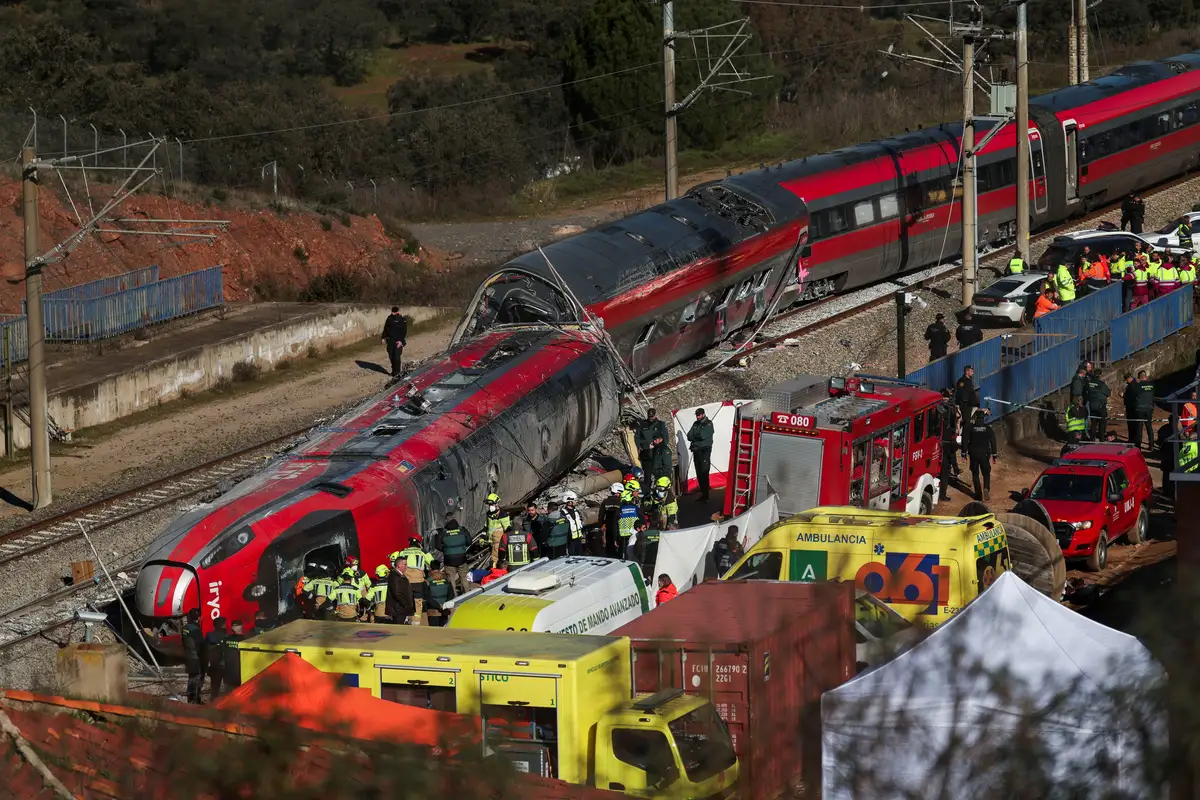
Spain is reeling from one of the deadliest rail disasters in its modern history after a high-speed passenger train derailed and collided with another train in southern Spain, killing at least 39 people and injuring dozens more. The devastating crash has shocked the nation, triggered a massive emergency response and raised urgent questions about rail safety in one of Europe’s most advanced high-speed networks.
The collision occurred near the town of Adamuz, in Córdoba province, late Sunday, sending carriages off the tracks and leaving twisted metal scattered across the rail corridor. Survivors described scenes of chaos and terror, with the impact “feeling like an earthquake,” according to eyewitness accounts.
What Happened: Timeline of the Spain Train Collision
Preliminary reports indicate that a high-speed passenger train derailed at speed before striking another train on an adjacent track. The force of the collision caused multiple carriages to overturn, trapping passengers inside wreckage that rescue teams worked through the night to reach.
Emergency services, including firefighters, medical crews, military units and civil protection teams, were rushed to the scene. Helicopters were deployed to evacuate critically injured passengers to hospitals across Andalusia.
Authorities confirmed that the death toll rose steadily as rescue operations progressed, making it one of the deadliest train accidents in Spain in decades.
Victims and Survivors: “It Was Total Darkness”
Hospitals in Córdoba, Seville and nearby cities activated emergency protocols to treat survivors suffering from:
- Severe trauma injuries
- Burns and fractures
- Internal injuries from the impact
Several passengers told local media that lights went out instantly after the crash, leaving people screaming in darkness as smoke filled the carriages.
“The train suddenly shook, then everything flew,” one survivor said. “People were thrown from their seats. It was terrifying.”
Spanish authorities have not yet released a full list of victims, as identification efforts continue.
Cause of the Crash: What Investigators Are Examining
Spanish rail officials and prosecutors have launched a full-scale investigation into the crash. Early findings suggest:
- Human error has not been ruled out, but officials say it is too early to assign blame
- Technical failure, signaling issues, track conditions and communication breakdowns are all under review
- Weather conditions at the time are also being examined
Rail authorities confirmed that Spain’s high-speed rail system is equipped with advanced safety controls, making the double derailment and collision extremely rare.
Independent safety experts have described the crash as “highly unusual” for a network considered among the safest in Europe.
National and International Reaction
Spanish Prime Minister and senior government officials expressed condolences and declared days of national mourning. Flags were lowered across public buildings, while moments of silence were observed nationwide.
Leaders from across Europe and beyond sent messages of sympathy, calling the tragedy a devastating blow to Spain and the families affected.
The European Union has offered technical support for the investigation, while international rail safety bodies are monitoring developments closely.
A Dark Chapter in Spain’s Rail History
Spain has invested heavily in high-speed rail over the past two decades, boasting one of the largest AVE networks in the world. Fatal accidents on these lines are extremely rare, making this crash particularly alarming.
The disaster has revived painful memories of previous rail tragedies and intensified scrutiny of infrastructure maintenance, operational oversight and emergency preparedness.
Rail Services Disrupted, Public Confidence Shaken
Train services across parts of southern Spain were suspended following the crash, causing widespread travel disruption. Authorities warned that repairs and safety checks could take days.
Public confidence in rail travel—long seen as Spain’s safest transport option—has been shaken, with calls growing for transparency and accountability once the investigation concludes.
What Happens Next
Key next steps include:
- A detailed technical report from rail investigators
- Possible criminal or regulatory proceedings if negligence is found
- Safety audits across Spain’s high-speed rail network
- Support and compensation plans for victims’ families
Officials have pledged that all findings will be made public.
Why This Tragedy Matters
Beyond the immediate human loss, the Spain train crash raises critical questions about:
- High-speed rail safety in Europe
- Emergency response readiness
- Infrastructure oversight amid rising passenger demand
As Spain mourns, the tragedy serves as a stark reminder that even the most advanced transport systems are not immune to disaster.
Final Word
The Spain high-speed train collision near Adamuz stands as one of the country’s most devastating rail disasters in recent history. As investigators work to uncover what went wrong, a nation grieves—and demands answers.
WorldMajorEvents will continue to provide verified updates, survivor stories, and investigation findings as this major international story unfolds.