




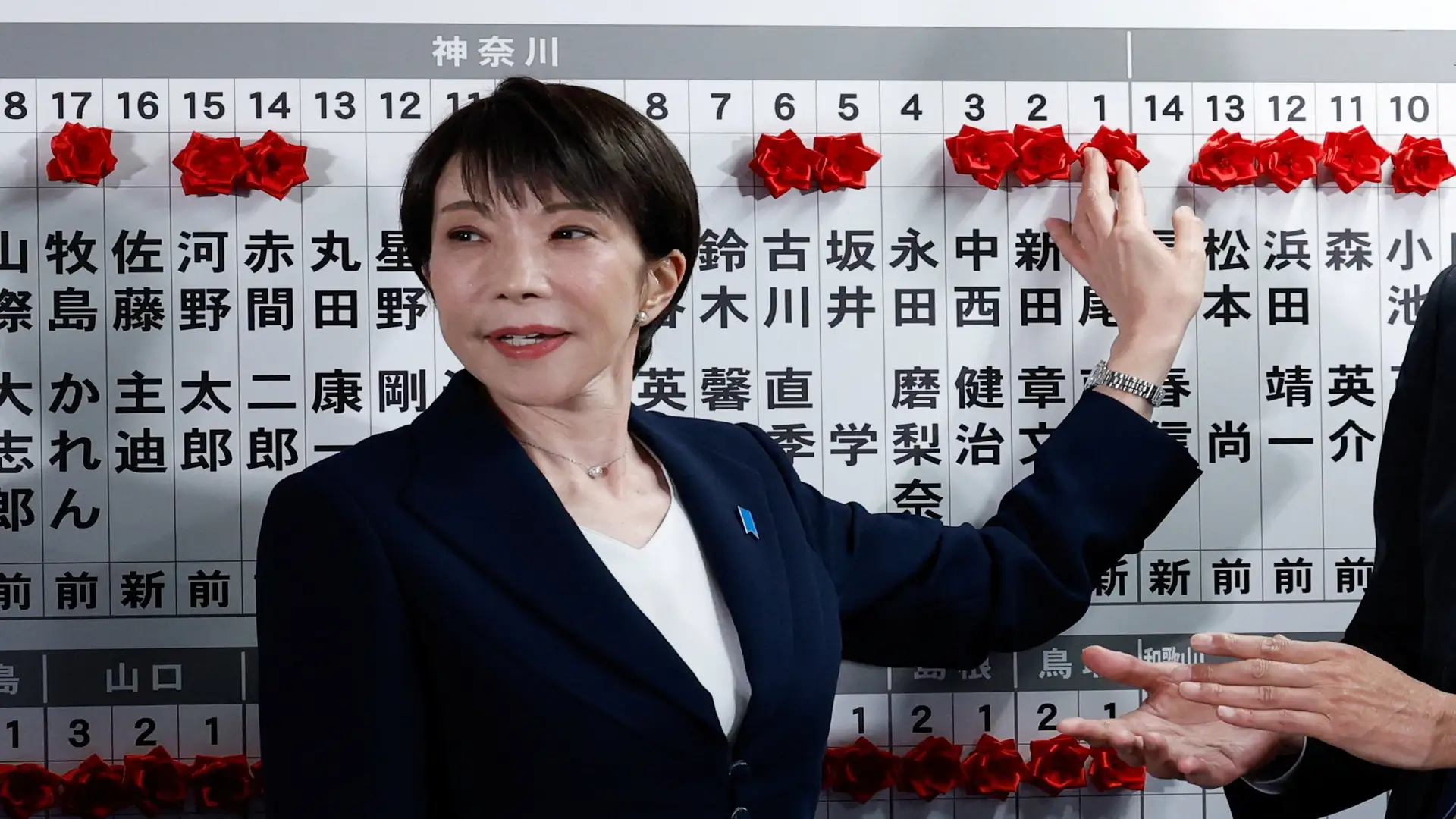
Japan Delivers a Stunning Verdict
Japan’s snap lower house election has delivered one of the most decisive political mandates in the country’s post-war history. Prime Minister Sanae Takaichi and the ruling Liberal Democratic Party (LDP) have secured a commanding supermajority, dramatically strengthening her grip on power and reshaping Japan’s political landscape.
Exit polls initially hinted at a strong showing, but the final results went far beyond expectations. Voters handed Takaichi a clear endorsement of her assertive leadership style, conservative economic vision and hard-line national security stance — marking a turning point for Japan at a time of growing global uncertainty.
For Japan, this is not just an election result. It is a strategic reset.
Who Is Sanae Takaichi — and Why This Win Is Different
Often described as Japan’s “Iron Lady,” Sanae Takaichi is the country’s first woman prime minister to secure such an overwhelming electoral mandate. Known for her outspoken nationalism, tough rhetoric toward China and willingness to challenge bureaucratic orthodoxy, she has long been one of the LDP’s most polarising figures.
This election changes that perception.
With voters delivering a landslide victory, Takaichi now holds a level of political authority rarely seen in modern Japan. Unlike previous prime ministers constrained by factional politics and weak coalitions, she enters the next phase of governance with:
- A stable parliamentary majority
- Reduced dependence on coalition partners
- Greater freedom to push controversial reforms
In short, Japan has chosen decisiveness over caution.
Why Japanese Voters Backed Takaichi
1. Economic Anxiety and Cost-of-Living Pressures
Rising prices, a weak yen and wage stagnation have weighed heavily on households. Takaichi campaigned on tax relief, targeted fiscal stimulus and protecting domestic industries, striking a chord with middle-class voters and small businesses.
2. National Security Fears
China’s growing assertiveness in the East China Sea and around Taiwan has deeply unsettled the Japanese public. Takaichi’s pledge to strengthen defence spending, protect territorial waters and deepen alliances with the US and Quad partners resonated strongly.
3. Leadership Fatigue
After years of revolving-door leadership and cautious policymaking, many voters appeared to favour a leader willing to take bold positions — even if controversial.
What the Landslide Means for Japan’s Economy
Markets reacted swiftly to the election outcome.
Stock Markets Surge, Yen in Focus
Tokyo equities jumped as investors priced in political stability and pro-growth policies. Banking, defence and infrastructure stocks led gains, reflecting expectations of increased government spending and regulatory clarity.
However, bond markets and currency traders are watching closely. Takaichi’s preference for fiscal expansion and pressure on the Bank of Japan to remain accommodative raises questions about debt sustainability and inflation risks.
Tax Cuts and Spending Ahead
With a supermajority in parliament, the prime minister now has room to pursue:
- Corporate and income tax adjustments
- Defence and technology investments
- Industrial policy aimed at supply-chain resilience
Supporters see this as long overdue stimulus. Critics warn of rising public debt.
China, Taiwan and Regional Tensions
Perhaps the most closely watched consequence of Takaichi’s victory lies beyond Japan’s borders.
A Firmer Line on China
Takaichi has repeatedly stated that Japan will “steadfastly protect its territorial waters”, a message widely interpreted as a direct warning to Beijing. Her strengthened mandate is likely to translate into:
- Tougher diplomatic language
- Expanded maritime patrols
- Closer coordination with the US
Chinese officials have reacted cautiously, but analysts warn that regional tensions could intensify.
Taiwan and the Quad
Japan’s strategic alignment with India, the US and Australia is expected to deepen. Takaichi has been vocal about Taiwan’s security being integral to Japan’s own, a stance that marks a sharper departure from previous governments’ ambiguity.
What It Means for India
New Delhi is watching developments in Tokyo closely — and largely with optimism.
India and Japan share concerns over China’s regional ambitions and Takaichi is seen as one of the strongest advocates of the Indo-Pacific framework. Her victory is expected to accelerate:
- Defence cooperation
- Technology partnerships
- Supply-chain diversification away from China
Prime Minister Narendra Modi’s congratulatory message underscored the strategic importance both sides place on the partnership.
A Challenge to Markets — or a Catalyst?
International investors are divided.
Some see Takaichi’s policies as a growth catalyst, breaking Japan out of decades of economic inertia. Others worry her nationalist rhetoric and fiscal activism could unsettle bond markets and complicate relations with key trading partners.
What is clear is that Japan is entering a new political era — one defined by clarity of direction rather than cautious consensus.
The Road Ahead: Opportunity and Risk
With this historic mandate, Sanae Takaichi has little room for excuses. Expectations are high, both at home and abroad.
Her success will depend on whether she can:
- Deliver economic relief without destabilising finances
- Manage China tensions without escalation
- Translate political dominance into tangible reforms
For now, voters have spoken decisively.
Japan has chosen a strong hand at the helm — and the world is watching what Prime Minister Sanae Takaichi does next.