




Feb 03, 2026 — WorldMajorEvents
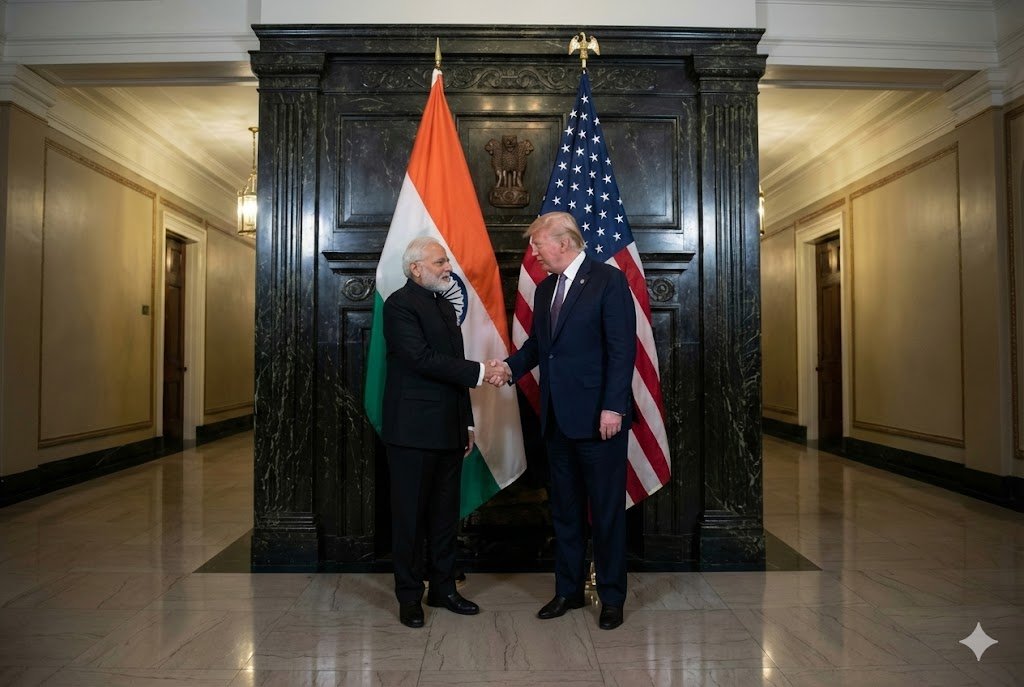
In a landmark diplomatic and economic breakthrough, India and the United States have agreed to a major trade deal, reshaping one of the world’s most significant bilateral trade relationships. Announced on February 2, 2026, by U.S. President Donald J. Trump following a call with Indian Prime Minister Narendra Modi, the agreement signals a reset in trade terms that had been strained by tariffs, geopolitical tensions and global supply chain realignments.
What the India-US Trade Deal Entails
At its core, the India-US trade deal centers on reciprocal tariff reductions, greater market access and a broader push toward cooperation in key sectors:
🔹 Tariff Reductions
- The United States has agreed to cut its reciprocal tariffs on Indian exported goods to 18% from earlier higher levels, offering Indian exporters significantly improved access to the U.S. market.
- This reduction marks a dramatic shift from recent tariff escalations — at times reaching effective peaks of up to 50% due to punitive duties tied to geopolitical disagreements.
🔹 Indian Market Access
- India, according to U.S. claims, will reduce tariffs and non-tariff barriers on American products toward zero, broadening opportunities for U.S. exporters in sectors such as energy, technology, agriculture, defense and industrial goods.
- Prime Minister Modi confirmed the tariff cut but stopped short of fully endorsing all claims about tariff elimination or measures related to Russian oil, underscoring the need for official treaty text and clarity on terms.
🔹 Commerce and Energy Commitments
- President Trump has publicly linked the deal to strategic energy shifts, claiming India would move away from Russian oil purchases and increase imports of U.S. energy and possibly Venezuelan crude.
- The U.S. also said India committed to buying over $500 billion worth of American goods, spanning energy, technology, agriculture and more — a figure that reflects both trade ambitions and geopolitical strategy.
Why This Matters: Strategic and Economic Impacts
📈 Boost to Indian Exports
Industry watchers expect the reduced tariff rate to uplift India’s export sectors, including textiles, engineering goods, chemicals and pharmaceuticals. Analysts believe the deal could make Indian products more competitive in the U.S., potentially boosting export volumes and foreign exchange earnings.
💼 Markets React Positively
The announcement has already influenced global markets. Indian stock indices saw sharp gains, while the rupee strengthened against the dollar — a response to heightened investor confidence and reduced trade friction.
🌍 Geopolitical Significance
The deal comes against a backdrop of several historic trade negotiations by India — including the recently concluded India-EU Free Trade Agreement — and reflects a broader strategy of diversification amid shifting global alliances.
Economists and trade experts view the pact as a reset in India-US economic relations, balancing tariff relief with new commitments from both sides. While the precise legal framework and implementation timeline are pending formal ratification, the deal’s announcement has already reshaped global economic narratives.
Dissenting Voices and Key Questions Remaining
Despite widespread acclaim, the trade deal has also sparked debate:
🧩 Unanswered Issues
- Critics — including opposition leaders in India — argue that key elements of the agreement remain unclear or unverified by official texts.
- Questions persist on agricultural market access, tariff lines for sensitive sectors and whether claims about halting Russian oil imports are formal commitments.
🤔 Strategic Autonomy Debate
Some commentators highlight concerns about India’s strategic autonomy — particularly regarding energy sourcing and defense supply chains — suggesting that geopolitical considerations may have influenced trade terms.
Voices from Both Capitals
🇮🇳 Prime Minister Modi
PM Modi hailed the tariff reduction as a win for Indian exporters and a boost to “Made in India” products. He underscored the importance of cooperation between two of the world’s largest democracies.
🇺🇸 President Trump
President Trump framed the agreement as a product of personal diplomacy and friendship, emphasizing his leadership in strengthening economic ties and promoting peace and prosperity.
What’s Next for the India-US Trade Relationship?
The immediate focus now shifts to official implementation and treaty text ratification, clarifying commitments and sector-specific rules. Both governments are expected to engage in detailed negotiations over tariff schedules, market access lists and enforcement mechanisms.
Longer-term, the deal aims to pave the way for deeper economic integration by 2030, aligning with broader goals such as:
- Doubling bilateral trade volumes.
- Enhancing supply chain collaboration.
- Coordinating on digital and services trade.
- Strengthening economic resilience amid global shifts.
Conclusion: A Landmark, But Complex Deal
The India-US trade agreement is being hailed as a historic milestone — one that rebalancing tariff structures, enhancing market access and injecting momentum into bilateral commerce. Yet, its ultimate value will be measured in implementation impact, sectoral benefits and long-term strategic alignment.
For businesses, exporters and policymakers, the deal opens new avenues — but also underscores the need for clarity and transparency as the world’s two largest democracies define a shared economic future.